
What Is a Visa?
A visa is a travel authorization that gives you temporary entry into another country. Most of the time, you must apply for a visa in advance of traveling, either online or at an embassy or consulate. A visa may occasionally be obtained upon arrival. Typically, visas are attached to your passport and specify the length of your stay.
For security reasons, most nations require visas for visitors to monitor who enters and prevent illegal immigration. Additionally, visas are used defensively to prevent security risks from entering a country.
What Does a Visa Look Like?
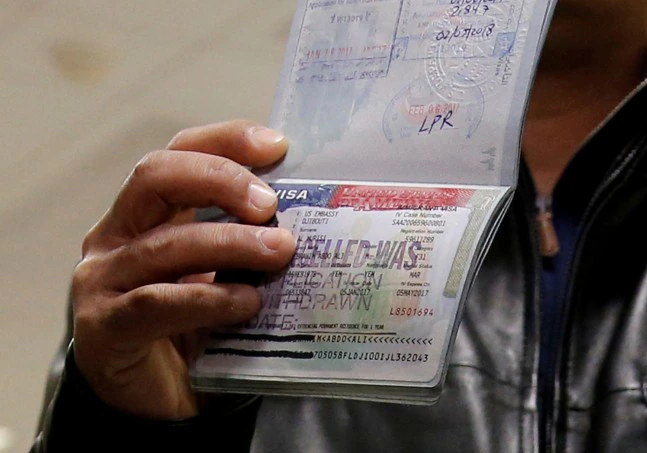
A visa is a passport sticker that includes your name, picture, and the number of days you are permitted to stay in a particular nation.
Visas are occasionally issued separately from your passport and are not affixed to it, such as with electronic visas that you must print out.
How to apply for a visa in India?
Applying for a visa to visit India is a straightforward process, but it's essential to follow the correct steps and provide all the necessary documents to ensure a smooth application. Here's a general guide on how to apply for a visa to India:
| # | Steps | Steps to acquire Visa in India |
| 1. | Determine the Visa Type : | First, you need to identify the type of visa you require based on your purpose of travel. India offers various visa categories, such as tourist visas, business visas, medical visas, student visas, etc. Visit the official website of the Indian Embassy or Consulate in your country to find the appropriate visa category for your trip. |
| 2. | Complete the Visa Application Form : | Once you know the visa type, fill out the visa application form. You can usually find the application form on the official website of the Indian Embassy or Consulate. Provide accurate and up-to-date information in the form. |
| 3. | Gather Required Documents : | Prepare the necessary documents as per the specific requirements for your chosen visa category. Common documents include: |
| 4. | Passport : | Your passport should be valid for at least six months beyond the date of intended entry into India and have a few blank pages for visa stamps. |
| 5. | Passport-sized Photographs: | Usually, two recent passport-sized photographs with a white background are required. |
| 6. | Visa Application Fee : | Be ready to pay the visa application fee, which varies depending on the visa type and your nationality. The fee is non-refundable, regardless of the outcome of your application. |
| 7. | Supporting Documents : | Additional documents might include flight itineraries, hotel reservations, invitation letters, financial statements, and any other documents relevant to your visa category. |
| 8. | Schedule an Appointment (if required): | Some Indian Embassies or Consulates may require applicants to schedule an appointment for submitting their visa application and documents. Check the respective official website for appointment booking details. |
| 9. | Submit Your Application : | Attend the scheduled appointment (if applicable) or visit the Indian Embassy or Consulate to submit your visa application along with all the required documents. Ensure that you provide all necessary information and accurately fill out the form. |
| 10. | Wait for Processing : | The visa processing time varies depending on your nationality and the type of visa you are applying for. It could take a few days to a few weeks for the visa to be processed. It is advisable to apply well in advance of your planned travel date. |
| 11. | Collect Your Visa : | Once your visa application is approved, you will receive your visa stamp in your passport. Check the visa details for accuracy, including the validity period and the number of entries allowed. |
Remember that the visa application process might have slight variations based on the specific requirements of your country of residence or the Indian Embassy/Consulate you are applying through. Always refer to the official website of the Indian Embassy or Consulate for the most up-to-date and accurate information before proceeding with your visa application.
Types Of Visas
Some of the common visa types by purpose of travel include:
- Employment Visas Employment Visas provide comprehensive assistance to individuals and organizations for obtaining work visas. These services cater to employees moving abroad for job opportunities, ensuring a smooth and legally compliant transition.
- Tourist Visas. Tourist Visas Tourist visas are entry permits issued for recreational purposes. Tourist types of visas are short-term, usually valid for three months, and you cannot work while on a tourist visa. There is usually no limit to how many times you can apply for a tourist visa for the same country— as long as the embassy/consulate grants the visa; you can freely travel.
- Shutdown Visas. Shutdown Visas efer to specialized visa assistance provided for workers involved in temporary shutdowns or turnarounds in industries such as oil and gas, manufacturing, and energy. These shutdowns typically involve maintenance, repairs, upgrades, or inspections of industrial plants and facilities. The services cater to the unique needs of companies and workers participating in these critical operations.
- Student Visas. Student Visas are issued for educational purposes and are usually valid for the duration of your study program. As a result, your study visa can last between one to four years, or even more, depending on your course. You cannot work in another country with a student visa unless your host country permits you.
Visa-Free Travel
Not everyone requires a visa to travel. Many countries have visa waiver agreements, which means they allow citizens of a select few countries to enter visa-free for short trips. Passport holders of Western countries (such as the U.S., Australia, Canada, and the EU States) can travel to most places without a visa.
The allowed time for visa-free stays is short; it ranges from a few days to a few months. Regardless of your nationality, you should check your visa requirements before traveling.Remember
When you are visiting a country without a visa, you cannot work or sell any goods or services.
Ways to Get a Travel Visa
Most commonly, you apply for a visa through one of the following ways:
- At an embassy or consulate of the country that you will visit.
- Online (electronic visa).
- At the point of entry (visa on arrival).
The method of application depends on the specific country and your nationality. You should never travel without checking your visa requirements.
Visa Application at an Embassy
In most cases, you can apply for a visa at the embassy or consulate of the country you want to visit. You will have to:
- Make an appointment.
- Collect a set of documents.
- Enter a visa interview (sometimes).
The consular officers will review your application and decide whether to grant you a visa or not. Depending on the visa type, it could take several days to several months to process your application.
Remember
Sometimes, embassies or consulates will outsource visa submissions to private travel agencies. This means the agency collects your documents and sends them to the embassy/consulate, which then makes the decision
Online Visa Application
You can also apply for a visa online. Electronic (online) visas are usually issued as printable documents and are not pasted onto your passport. If a country issues electronic visas, then there will be an official application website, where you can:
- 1. Complete an online visa application form.
- 2. Attach electronic copies of your documents.
- 3. Pay a visa fee.
Visa on Arrival
You can apply for a visa at the airport or other point of entry of the country you are traveling to. This is known as a visa on arrival (VOA). In these cases, there will be visa counters at the point of entry, where you have to apply, pay a fee, and then wait for the decision to be made before you can pass through. Depending on the country, it could take from a few minutes to a few hours.
Remember
Not all countries issue visas on arrival.
Even countries that issue VOAs usually limit them only to certain nationalities.
Visas on arrival are usually only available at certain airports or entry points.